Tree & Shrub Maintenance

Neglected trees, hedges, or shrubs can ruin an otherwise great looking property. Shrub trimming is not exactly rocket science, but learning the best times to cut branches, the optimal amount of thinning to perform, and other facets of hedge pruning is a necessity if you want your plants to stay healthy. Those who jump into shrub trimming without understanding the basics often end up doing more harm than good. Unlike improper shrub pruning or hedge trimming, irresponsible tree service is something that can have serious ramifications for your property. Unless you have plenty of experience in the field, hiring a professional for tree service is generally a good idea. Not only do professional tree service companies have the right tools to trim large tree branches and the proper equipment to do it safely, they will also be able to identify and prevent  problems like disease, insect infestation, and fungus. Emergency tree service is sometimes needed after a thunderstorm or heavy ice or snow fall. The threat of unstable, damaged, or weighed-down branches is nothing to take  lightly, as it causes damage to property and people every year. A call to a tree service company before an unstable branch falls onto your car or your home is much better than a call after the fact!

When to remove

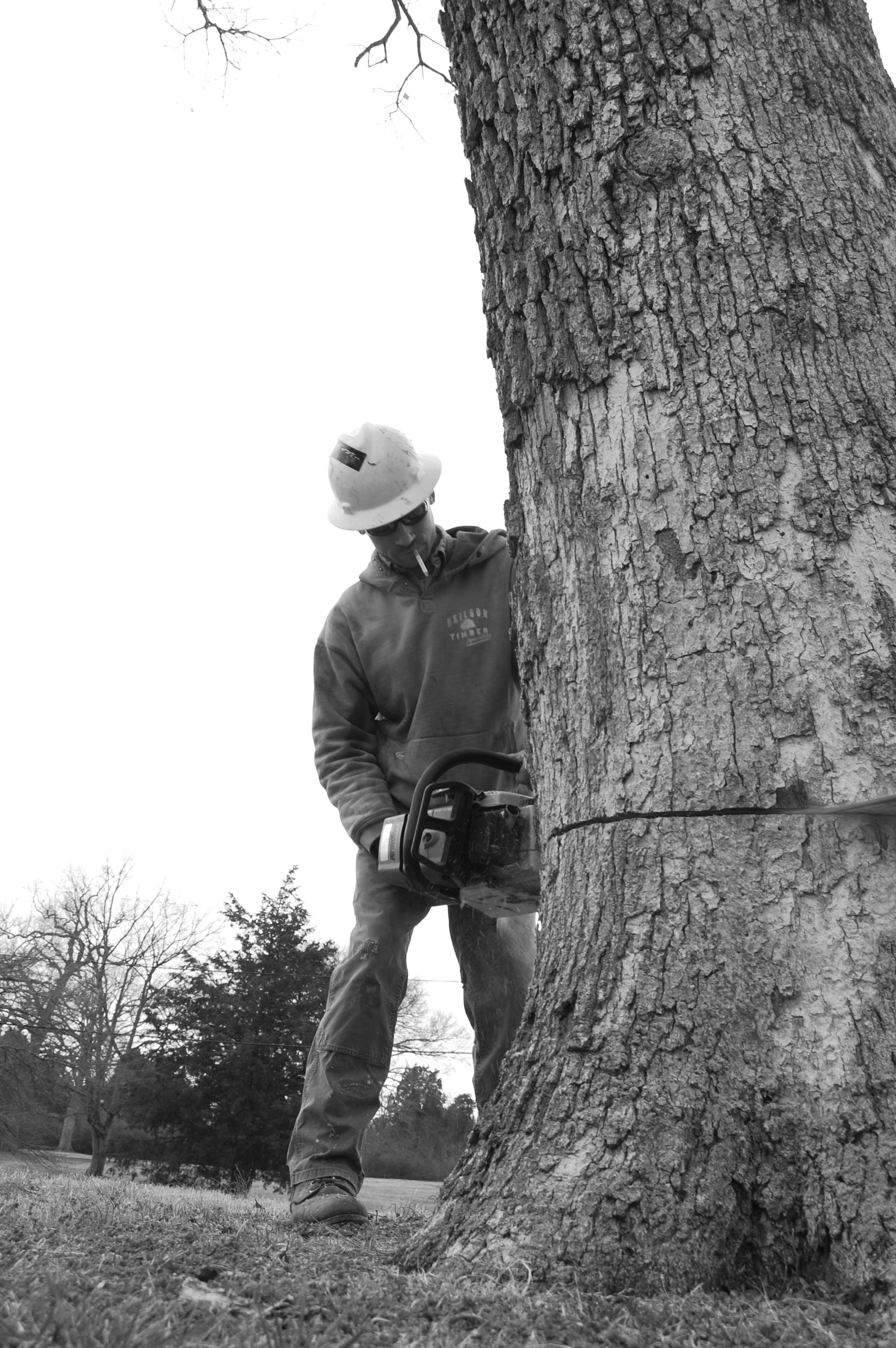
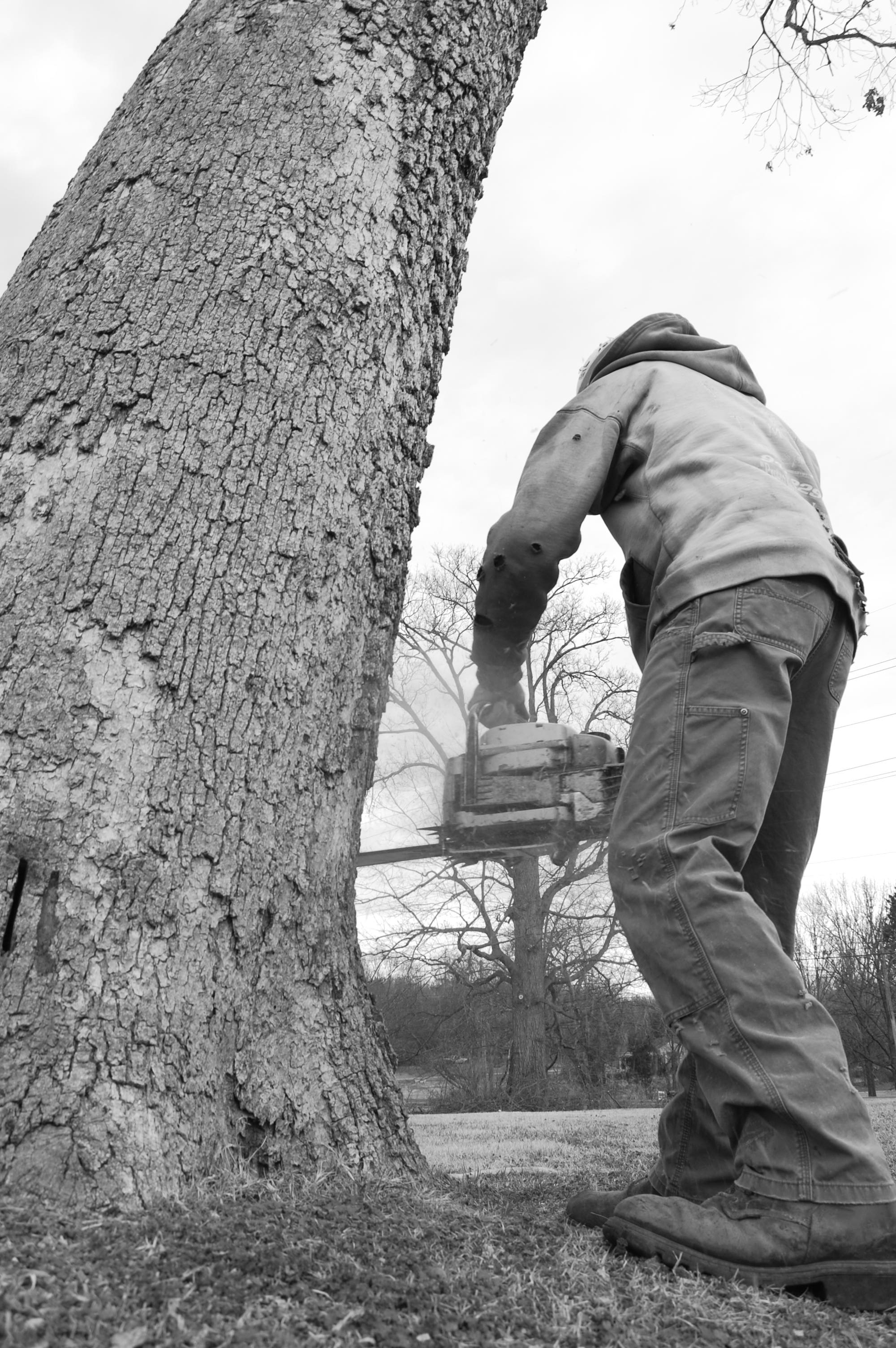
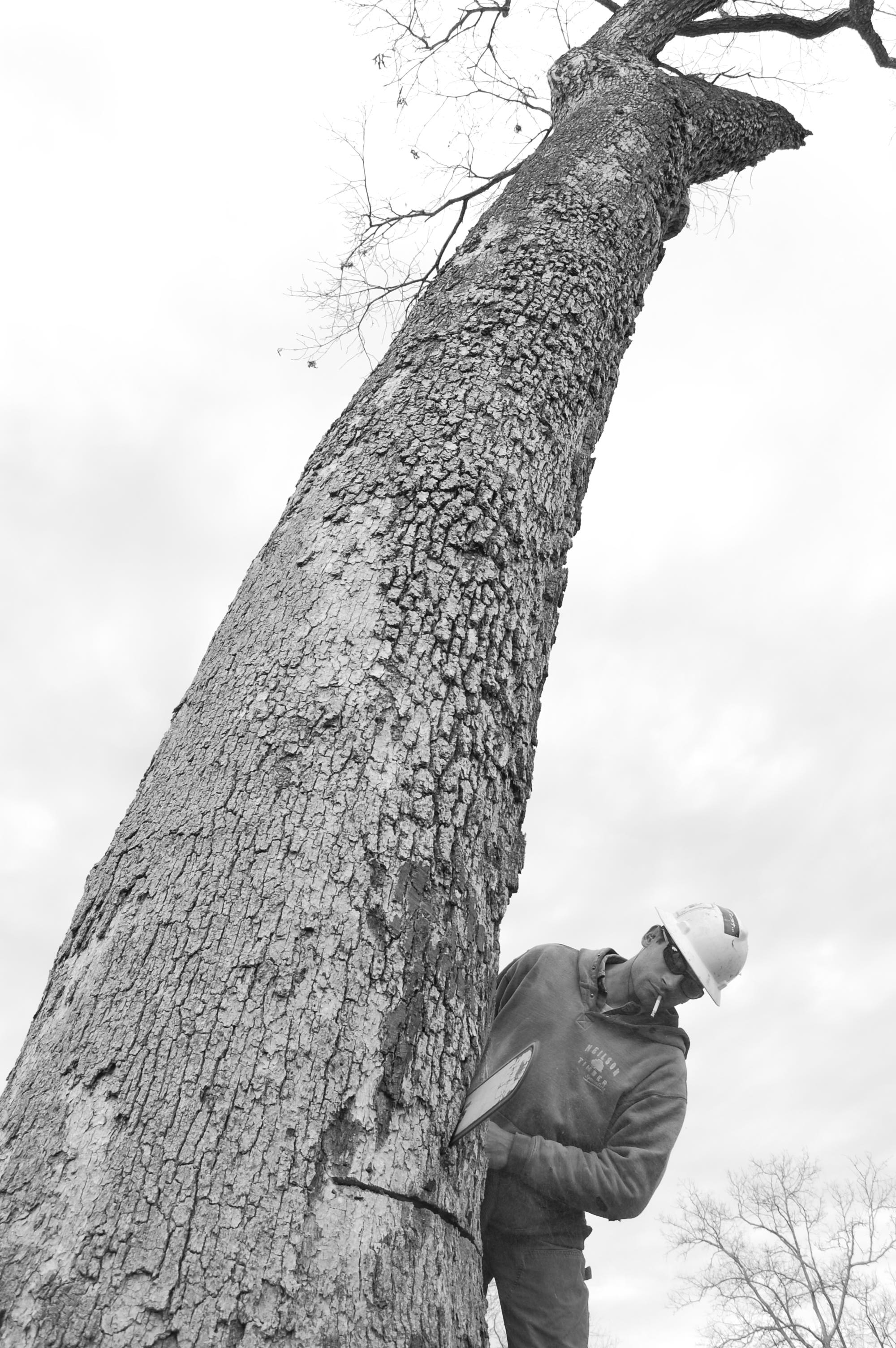
News reports continually remind us that even experienced woodsmen and tree climbers are easily killed while felling trees. Whether death occurs due to them falling, kickback of the trunk, or being crushed under the tree, the important lesson is to leave tree removal to competent, insured professionals. The larger the tree the greater the risk. removing a tree.

What Should I Do With My Shade Trees After a Storm?
Storm damaged trees are something many homeowners will have to deal with at some point. Since storm damaged trees are often an accident waiting to happen, calling for tree damage repair is not something you want to put off once a problem is noticed. Visually inspecting the trees on your property after a storm is a great way to spot problems early and avoid further damage to person or property; though some might view tree damage repair as an expense they’d rather forgo, ignoring storm damaged trees is likely to lead to larger, more expensive repair costs down the road.Price Tree Care: The Experts on Storm Damaged Trees
Arboriculture is the science of tree care. Price Tree Care is dedicated to the care and preservation of trees. We stake our reputation on our experience.Some tree companies are own by certified arborists while other companies may have one on staff. When you call for service, the arborist will come out and assess the storm damage to your trees and explain the best way to repair the tree if it is salvageable. This expert is also vital to ensuring that the kind of work that is done by that company’s crews is consistent with the standards and practices of arboriculture.When Tree Damage Repair Is Not an Option
Trees are beautiful, valuable assets to a property and in most cases Price Tree Care will exhaust all other options before deciding that a tree must be cut down. Unfortunately, some storm damaged trees are simply beyond repair, and complete removal is the only safe course of action. Since some severe tree damage repair is more costly than tree removal, a homeowner may decide to go this route even if a tree might be salvaged.It should be noted that the IRS actually has deductions for loss of a tree due to natural disaster. An arborist’s ability to assess the value of a lost or damaged tree actually may save you money on your taxes. However, as replacing a mature tree is a process that takes decades, most arborists (and most homeowners, as well) view removal as a last resort.Preventing Storm Damaged Trees
Of course, the best way to deal with storm damaged trees is to do your best to prevent damage in the first place. In areas prone to thunderstorms, ice storms, and high winds, having your trees examined and pruned as needed will often lessen the blow of inclement weather and reduce the chances of your trees being harmed. Having an arborist examine your mature trees once a year is ideal, but even getting them checked every couple years is a far cry from never having them examined. Getting regular tree inspections won’t just identify potential problems during stormy conditions, it will also help you diagnose any disease, fungus, or insect problems early, and give you a chance to solve these problems before they take too strong a hold.

Who to Call for Tree Damage Repair
Of course, there are plenty of uninsured companies. Some tree service and tree trimming companies specialize in operations like tree removal, stump removal, and “topping” or removing the highest portions of a tree to avoid interference with power lines . These companies should be avoided at all cost unless you feel like taking a risk with your home and property. When you want to keep your tree in good health for as long as possible, it is always recommended that you contact Price Tree Care.

Jon Nunan is a freelance writer who draws on his experience in construction, ranging from landscaping to log home building, for his articles on home improvement.


N

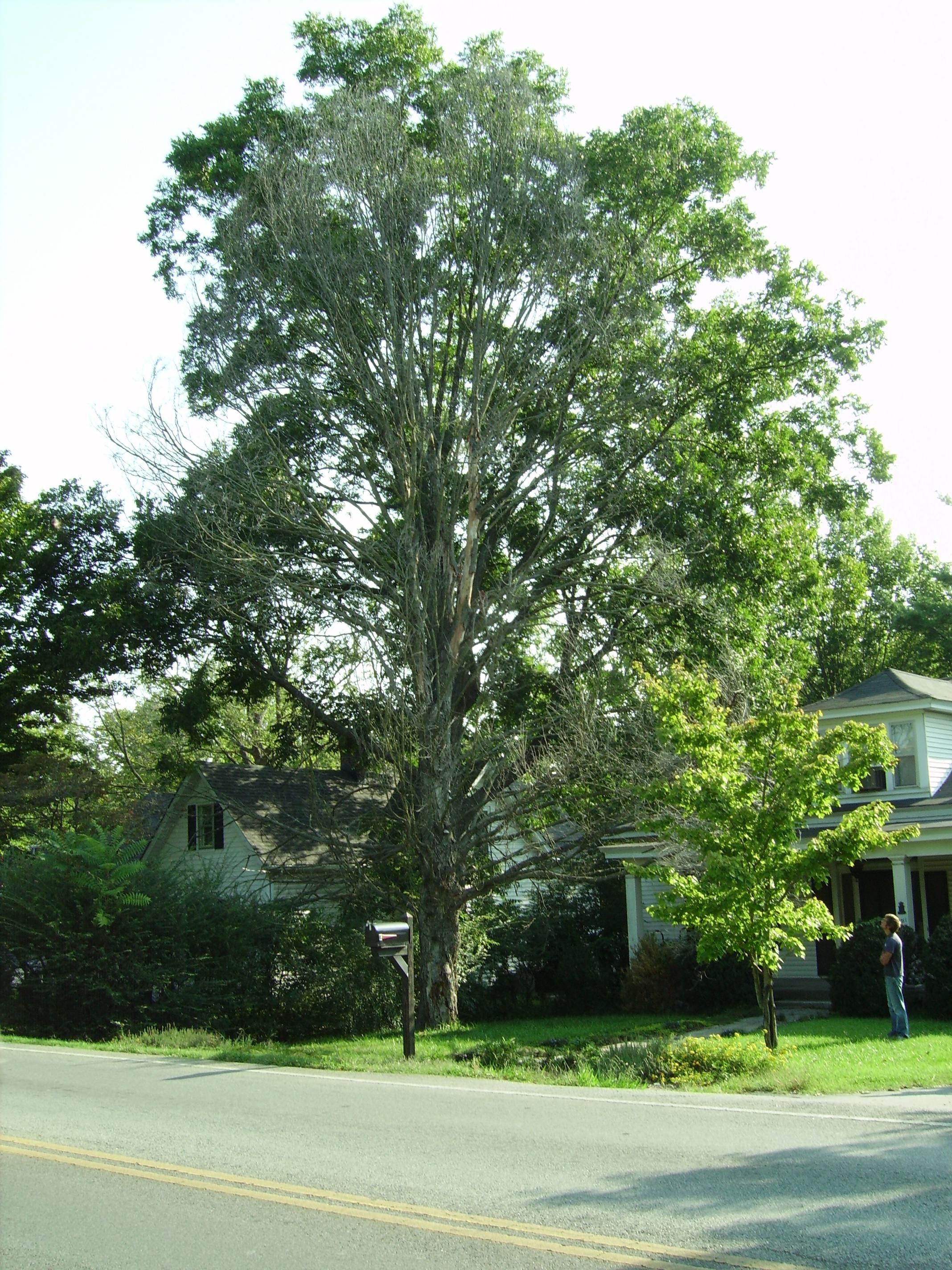
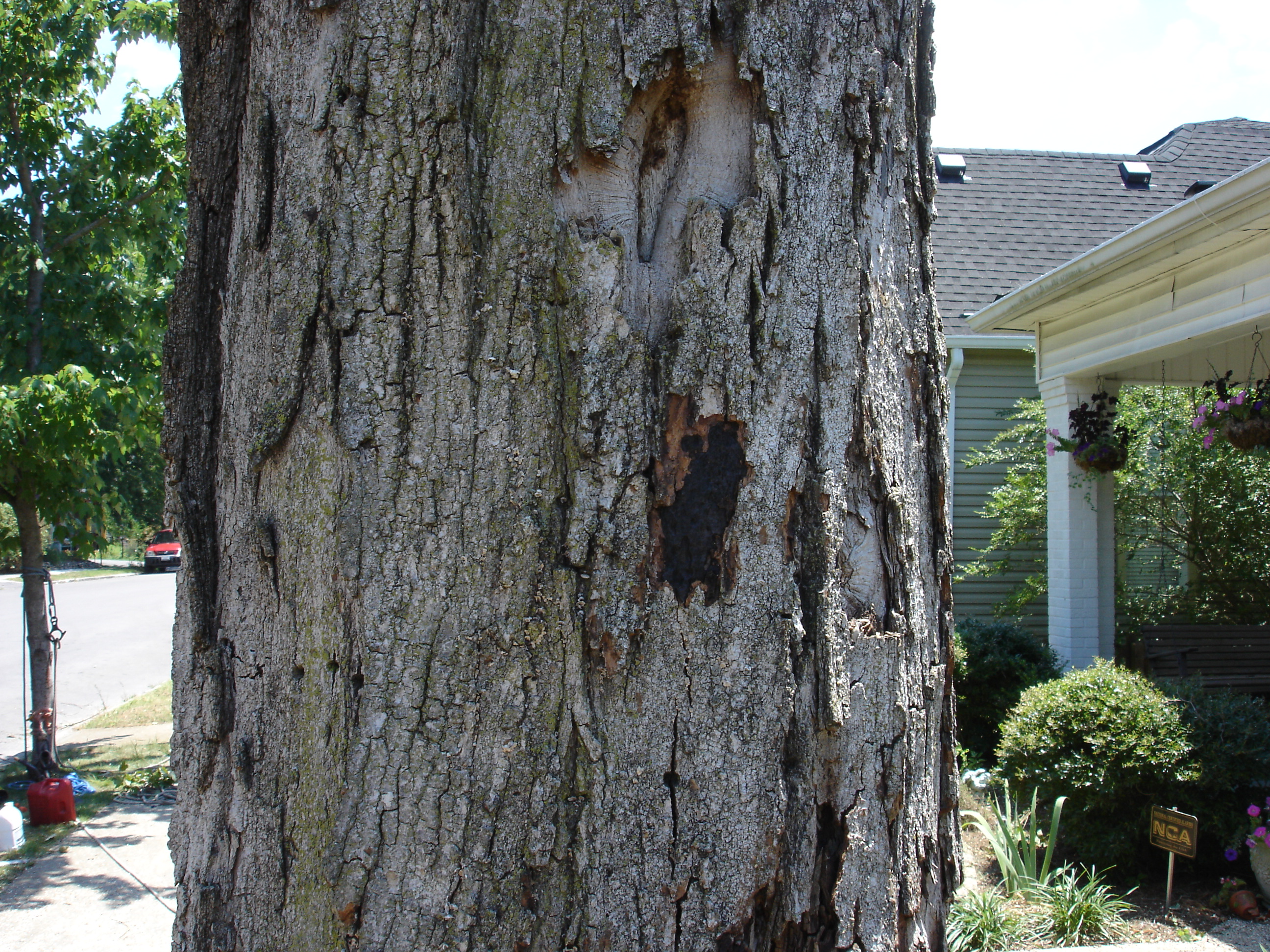
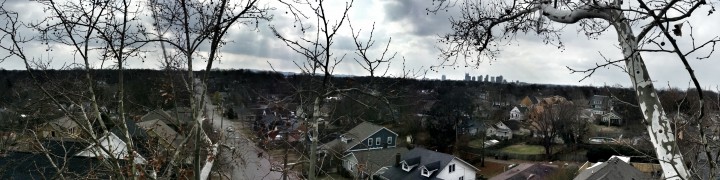
This is a serious eyesore, but an even more serious threat to safety
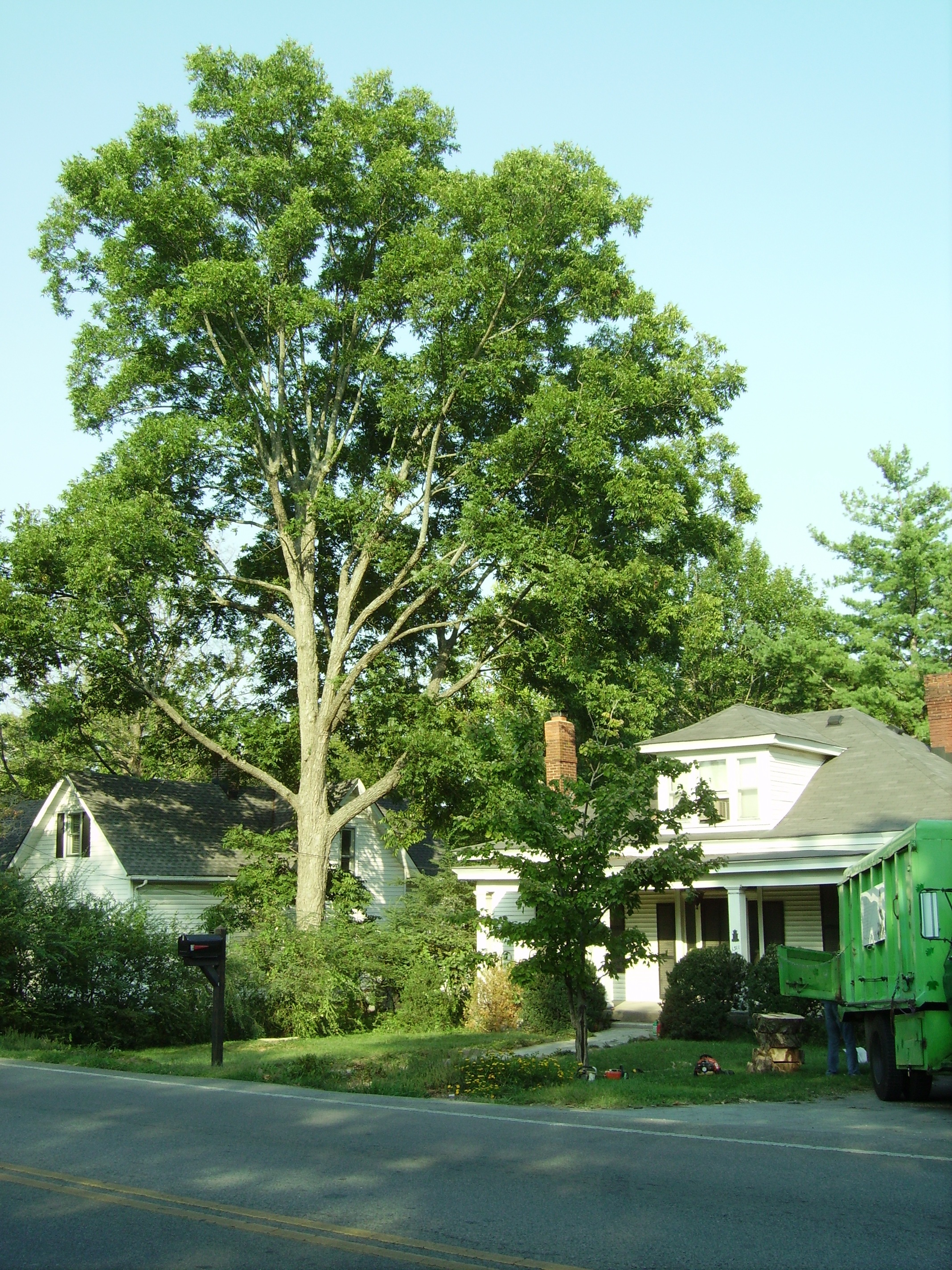
Here is a view after the safe removal of the dead tree, now our client can enjoy the benefits of the large Red Oak in the background.
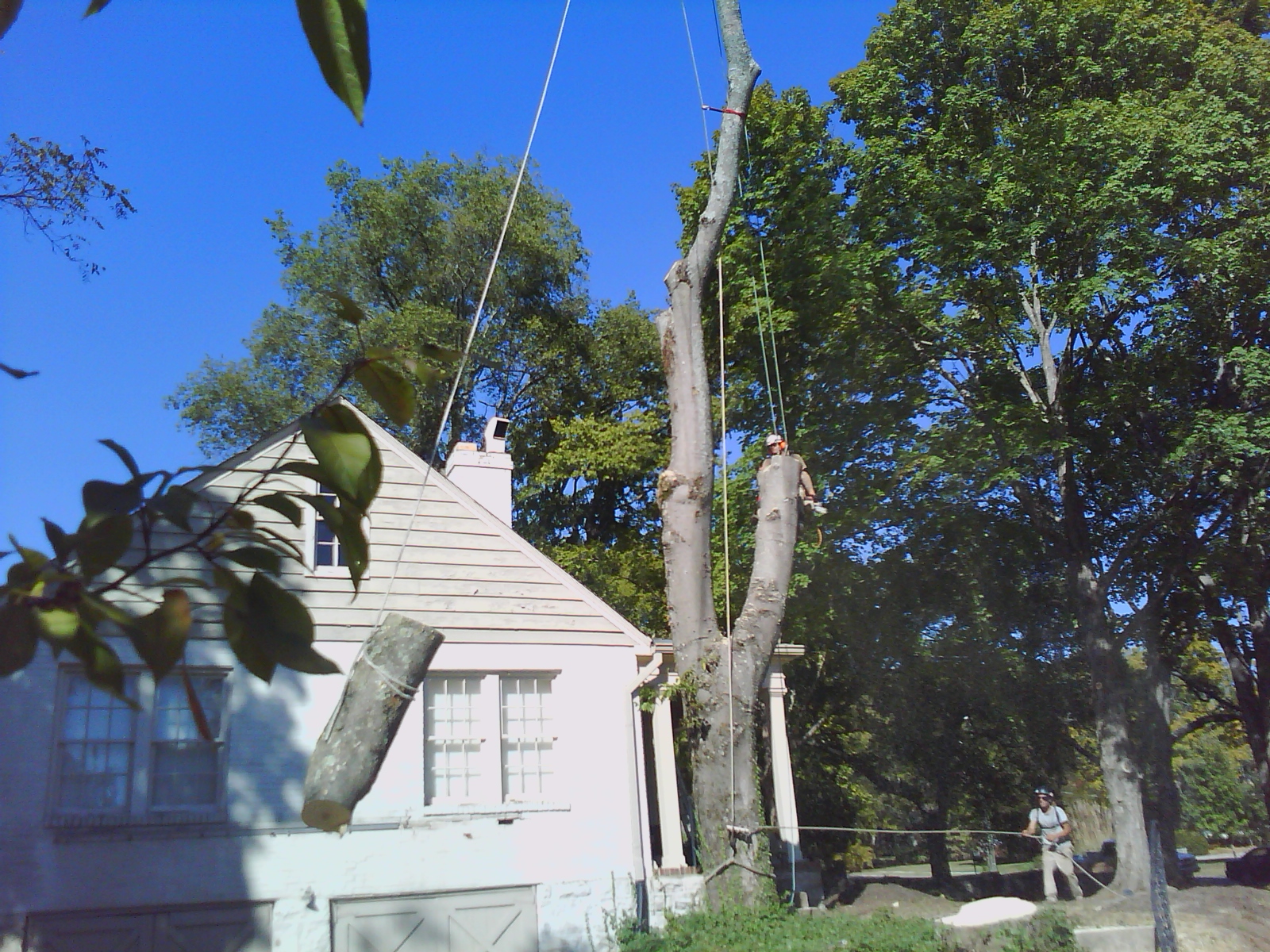
We Trim trees properly!

One of the biggest pruning mistakes is cutting off branches in the wrong place. Amateurs tend to leave too much of a stub when removing branches. Once the stub dies off, it creates an entry point for disease pathogens and destructive insects.
Unlike human beings, trees don’t regenerate tissue. While our skin replaces itself, trees grow new tissue around wounds and compartmentalizes them. Once a a tree compartmentalizes an old wound, it has a much better chance of survival.
Efforts should also be made not to wound tree trunks. Trunk wounds create opportunities for destructive fungi.
A natural defense system is built into trees, in the swollen area at the base of branches, known as the “collar” — right where the trunk intersects the branch. Flush cuts are important to make, provided you don’t remove the collar.                                                                                                                    Proper pruning cuts should be made by a professional.

Tinsley getting snowed out!


Happy Holidays from Price tree care,
We will be recycling your post season Christmas Trees
As with last year.

$10 EastNash… $15 within Nashville (green hills..etc)

 happy
holidays
 
We can tidy up your yard and handle all tree service needs
to help your property look its best.

We are a full service Arborcare company located in Inglewood.
Please help support your local East Nashville Neighborhood Businesses.
 

I create us working together to help keep the sky blue
arborist consultation
Chris Price
615-596-9553

 Neem oil is a botanical pesticide made from an extract of the plant Azadirachta indica. Since it doesn’t strongly affect humans, mammals, or beneficial bugs, farmers use neem oil as an insecticide and miticide to keep away pests like aphids and white flies. Neem oil even protects crops from fungal infections such as mildew and rust. People use insecticide with neem oil to repel mosquitoes and lice.

The plant that gives us neem oil originates in Southeast Asia. People from these countries have long noted the benefits of crushing the leaves and stems against their skin to keep off biting insects like gnats. A wider industrial and commercial use was found for the potent oil by grinding the seeds of the neem plant. When the oil is distilled from seeds, its concentrated mixture contains high amounts of the active chemical azadirachtin.

Azadirachtin-rich neem oil gets sprayed on crops as an organic substitute for other harsher insecticides that might be carcinogenic or have limited uses. Neem oil repels harmful insects like white flies, gnats, aphids, mites, and weevils, as well as strengthening the crops against rust, scab, mildew, and blight. Edible crops of vegetables do not get poisoned when neem oil is used.

Neem oil makes the plants it touches taste bitter, so pests won’t eat them, as a “contact” insecticide. Azadirachtin also interrupts insects’ transitions between different stages of metamorphosis, such as growing from larvae to pupae. It prevents insects from developing a hardened exoskeleton. When the chemical gets absorbed through the roots of crops, it functions as a “systemic insecticide.” That means crops don’t need to be constantly re-sprayed.

The greatest benefit of using neem oil is that it doesn’t harm beneficial insects. Butterflies, earthworms, and bees all help plants pollinate or absorb nutrients. Lacewings eat insects trying to feed on the crops. But these bugs won’t have a negative reaction to neem oil or azadirachtin.

Neem oil has even made it into cosmetic and household products. Lotions and skin sprays use the oil as a mild insecticide that isn’t likely to cause rashes. If you soak cotton balls in neem oil and place them in your closet, it will dissuade wool moths from devouring your clothes. While neem oil smells faintly of garlic, many people prefer it to stronger chemical alternatives.

originally @ http://www.wisegeek.com/what-is-neem-oil.htm


Hypoxylon Canker and Oaks

Hypoxylon Cankerhas been noted in the death of many oaks in the East Nashville   area over the last several years. This disease is not rare,  but due to the stressful droughts of the last several summers, a large number of trees are being affected.  The following is a description of hypoxylon canker in oak, taken from the Plant Disease Handbook:


  Hypoxylon Canker (fungus – Hypoxylon atropunctatum and otherHypoxylonspp.): The disease is first evident as a dieback of one ormore branches. The foliage of the diseased limbs turns yellow and

dries. This dieback continues from branch to branch through the

stem until eventually the tree dies. This may require 1 or more years

 depending upon the environment and amount of stress experienced

by the tree. Near death or shortly after tree death the outer bark

sloughs off and exposes large masses of brown, dusty one-celled

spores (conidia). These spores are gone within a few weeks and a

grayish surface is visible. This is covered with numerous black

fruiting structures. Mature fruiting structures (perithecia) can

 forcibly discharge sexual spores (ascospores) for distances of 60 mm.

 They are then blown to surrounding trees where infection occurs

 again. Entry appears to be through injured surfaces on limbs or

trunk. The fungus grows best at 86 degrees F but can grow at 50

 and 100 degrees F.Hypoxylon canker causes a dark brown

discoloration of the sapwood. With age the infected wood is lighter

 in color and has black zones or patterns in the wood when observed

in cross section.Hypoxylon canker occurs primarily on trees which

 are or have been in stressed conditions. Trees which have been

damaged by excessive fill soil are often attacked by this organism.

It is also suspected to be a fungus that can invade on oak wilt-infected

 trees.

Control is achieved by maintaining the trees in a healthy condition.

Avoid injury to the trunk and limbs and never apply fill soil around

the trees. Chemical treatments would not be effective because the

fungus is located within the tree.”

   
   Here is a pdf file with helpful facts about Hypoxolonhttp://www.forestry.state.ar.us/manage/hypoxylon.pdf          
 Here are a few links to other descriptive siteshttp://www.sfrc.ufl.edu/4h/hypocank.htm     


Neem Oil
Are you looking for an insecticide or fungicide that is effective but won’t harm your children or beneficial insects? Neem oil might be the answer. It is an organic control for many pests and is extracted from crushed kernels of the neem tree. Neem oil is biodegradable with very low toxicity. It is both a repellant and contact killer. Insects that don’t feed on treated plant foliage are unharmed, therefore, neem doesn’t interfere with the natural balance of the ecosystem. It acts as an insect growth regulator that disrupts the molting process. Neem can be used to control aphids, bagworms, borers, caterpillars, leafminers, lace bugs, thrips, psyllids, mealybugs, and many other insects. Neem prevents mildews, rusts, leaf spots, botrytis, scab, and other fungal diseases as well.